-
Alyson Smith | #1in50
What to do with the broken one?
1 in 50. In the UK, that is the number of people living with bipolar disorder. It is a sterile, clinical statistic fitting neatly onto medical charts and mental health factsheets. But statistics cannot capture what it actually feels like to live within those numbers. They do not show the weight of the lows, the exhaustion of the highs, or the quiet, daily work of finding balance. For me, that statistic is not data. It is my lived experience.
Today, I launch #1in50: a decade-long commitment to map the reality of bipolar disorder through art. Over the next ten years, I will create 50 distinct art projects. One stitch, one texture, one word and one physical object at a time, I am going to translate a lifelong diagnosis into something tangible.
Bipolar disorder is often an invisible condition. Because it exists in the mind, it can feel impossible to explain to others—and sometimes, even to myself. By using words, textiles and visual art, I want to give these experiences a physical form. Creating art allows me to slow down, process my own diagnosis, and externalise feelings that words usually fail to capture. For example, the repetitive, deliberate act of knitting becomes a way to ground myself and claim control over a condition that often feels chaotic.
This is not a quick response to a trend. It is a long-term map of a lifetime. Over the next decade, this project will grow as I grow, documenting the shifting landscapes of mental health in the UK.
This project is for anyone who has ever felt lost inside a statistic. I want to show the messy, beautiful, and profoundly human reality behind the numbers.
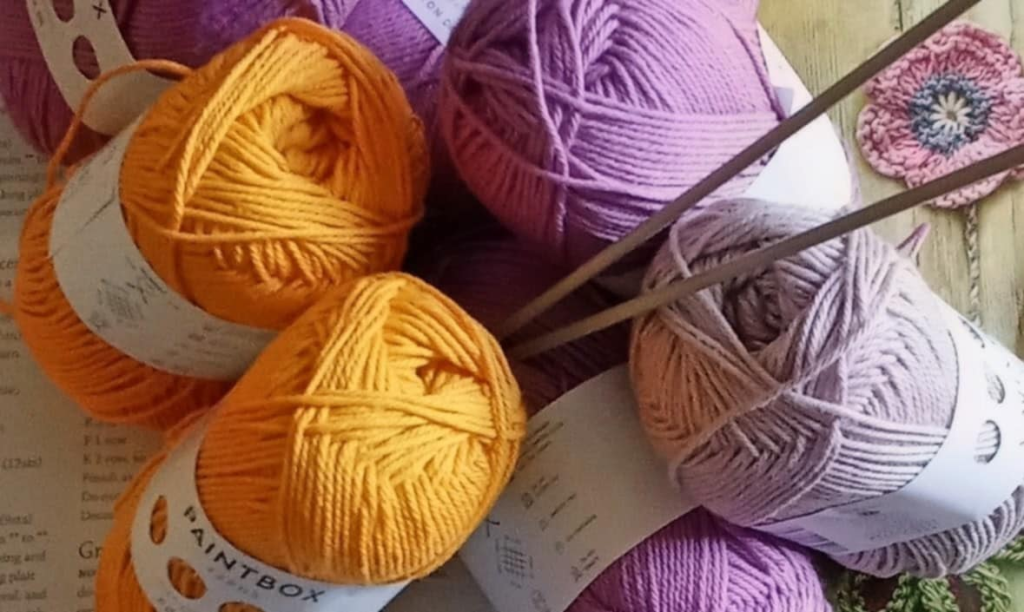
Thank you for being here at the very beginning. The first textile art piece I shall start tommorrow is ‘Flowers’. I shall also be sharing my Haiku project #1in50 Haikus responding to lyrics I feel close to.
-
Alyson Smith | #1in50
The Art of Connection
1 in 50. In the UK, that is the number of people living with bipolar disorder. It is a sterile, clinical statistic fitting neatly onto medical charts and mental health factsheets. But statistics cannot capture what it actually feels like to live within those numbers. They do not show the weight of the lows, the exhaustion of the highs, or the quiet, daily work of finding balance. For me, that statistic is not data. It is my lived experience.
Today, I launch #1in50: a decade-long commitment to map the reality of bipolar disorder through art. Over the next ten years, I will create 50 distinct art projects. One stitch, one texture, one word and one physical object at a time, I am going to translate a lifelong diagnosis into something tangible.
Bipolar disorder is often an invisible condition. Because it exists in the mind, it can feel impossible to explain to others—and sometimes, even to myself. By using words, textiles and visual art, I want to give these experiences a physical form. Creating art allows me to slow down, process my own diagnosis, and externalise feelings that words usually fail to capture. For example, the repetitive, deliberate act of knitting becomes a way to ground myself and claim control over a condition that often feels chaotic.
This is not a quick response to a trend. It is a long-term map of a lifetime. Over the next decade, this project will grow as I grow, documenting the shifting landscapes of mental health in the UK.
This project is for anyone who has ever felt lost inside a statistic. I want to show the messy, beautiful, and profoundly human reality behind the numbers.
Thank you for being here at the very beginning. The first textile art piece I shall start tommorrow is ‘Flowers’. I shall also be sharing my Haiku project #1in50 Haikus responding to lyrics I feel close to.
 Alyson Smith